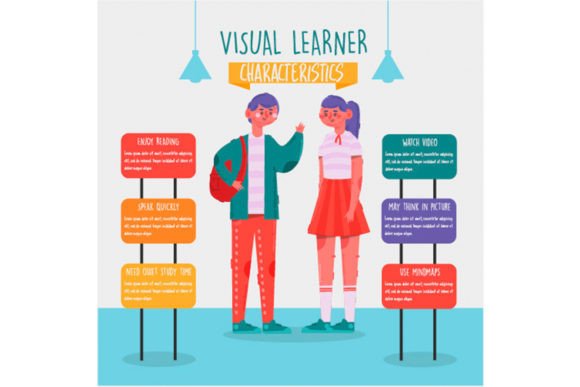
Understanding Visual Learner Characteristics: A Guide for Effective Learning and Teaching
Visual learner characteristics are a set of traits that help individuals learn more effectively through visual means. These learners often prefer to see information in the form of diagrams, charts, images, and videos rather than reading text or listening to lectures. Recognizing and leveraging these characteristics can significantly enhance both personal and professional development.
Where and When Visual Learner Characteristics Are Most Useful
Visual learner characteristics come into play in various settings, from classrooms to boardrooms. Here’s where and when they are most beneficial:
- Educational Environments: In schools and universities, visual aids like infographics, mind maps, and educational videos can make complex topics easier to understand and remember.
- Professional Training: In corporate training sessions, using visual tools such as flowcharts, interactive presentations, and video tutorials can help employees grasp new concepts quickly and effectively.
- Marketing and Advertising: Marketers use visual elements like images, videos, and infographics to capture attention and convey messages more powerfully.
Personal Development
For individuals looking to enhance their skills, visual learning can be incredibly effective. For example, if you're learning a new language, using flashcards with pictures can help you associate words with objects, making it easier to recall them later. Similarly, if you're trying to master a new hobby, watching tutorial videos can provide step-by-step guidance that is easier to follow than written instructions.
Creative Projects
Creators and artists often benefit from visual learning. Whether you’re designing a website, creating a digital art piece, or planning a photography project, visual references and mood boards can inspire and guide your creative process. Tools like Adobe Photoshop and Illustrator, which offer a wide range of visual features, can be particularly useful for these tasks.
Professional Presentations
In a business setting, visual learner characteristics can be leveraged to create impactful presentations. Using graphs, charts, and infographics can help you clearly communicate data and trends, making your points more persuasive. For instance, a sales team might use a visual dashboard to track performance metrics, while a marketing team could use a storyboard to plan a campaign.
Educational Instruction
Teachers and educators can use visual aids to make lessons more engaging and memorable. For example, a history teacher might use a timeline infographic to show the sequence of events, or a science teacher could use 3D models to explain complex structures. These visual tools not only help students understand the material but also make the learning experience more enjoyable.
How Different Users Can Benefit from Visual Learner Characteristics
The benefits of visual learner characteristics vary depending on the user's role and goals:
- Students: Visual learners in academic settings can use diagrams and charts to organize information, making it easier to study and retain knowledge.
- Professionals: In the workplace, visual aids can help professionals present ideas more clearly and persuasively, leading to better communication and decision-making.
- Marketers: By using visually appealing content, marketers can increase engagement and drive conversions, whether it’s through social media posts, email campaigns, or website design.
What to Consider Before Applying Visual Learner Characteristics
While visual learning can be highly effective, it’s important to consider a few factors before fully embracing this approach:
- Identify Your Learning Style: Not everyone is a visual learner. Understanding your own learning style can help you choose the right methods and tools to maximize your learning potential.
- Choose the Right Tools: There are many tools available for visual learning, such as graphic design software, presentation tools, and video editing platforms. Select the ones that best suit your needs and skill level.
- Balance with Other Methods: While visual learning is powerful, it’s also beneficial to combine it with other learning methods, such as auditory and kinesthetic approaches, to create a well-rounded learning experience.
By integrating visual learner characteristics into your learning and teaching strategies, you can unlock new levels of understanding and creativity. Whether you’re a student, a professional, or an educator, the right visual tools and techniques can make a significant difference in how you learn and communicate.