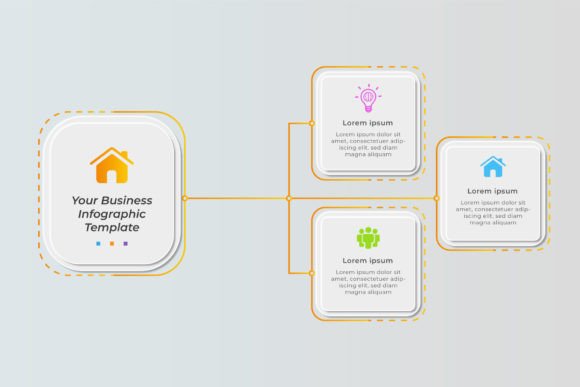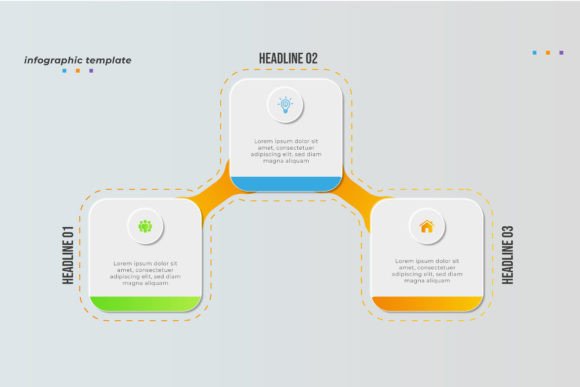
Strategic Use of Three Step Gradient Infographic Design for Enhanced Communication and Branding
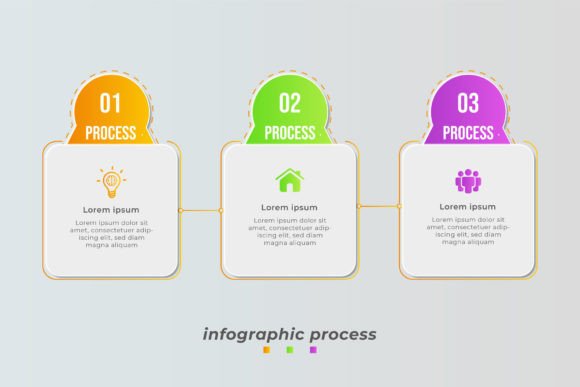
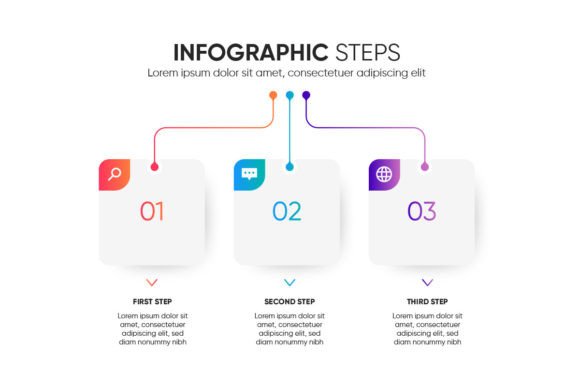
Three Step Gradient Infographic Design is a visually appealing and strategically powerful tool that can significantly enhance your communication, branding, and overall business objectives. By leveraging a gradient that transitions through three distinct colors, this design approach not only captures attention but also conveys complex information in a clear and engaging manner.
Understanding the Strategic Value of Three Step Gradient Infographic Design
The Three Step Gradient Infographic Design is particularly useful for businesses aiming to present data, processes, or timelines in a way that is both visually striking and easy to understand. This design technique can help in achieving better results by:
- Clarifying Complex Information: Simplify intricate data into digestible segments, making it easier for your audience to grasp key points.
- Enhancing Visual Appeal: The use of gradients adds a modern and professional look to your infographics, which can positively impact your brand's image.
- Improving Engagement: Visually engaging content is more likely to capture and retain the viewer's attention, leading to better engagement and recall.
When and How to Use Three Step Gradient Infographic Design
To effectively utilize the Three Step Gradient Infographic Design, consider the following strategic approaches:
- Identify Your Goal: Determine what you want to achieve with your infographic. Whether it's to educate, inform, or persuade, having a clear goal will guide your design choices.
- Select Appropriate Colors: Choose colors that align with your brand and the message you want to convey. For example, using a blue to green gradient might be ideal for environmental or health-related topics.
- Plan Your Content: Organize your content into three main sections, each represented by a different color in the gradient. This structure helps in creating a logical flow and makes the information more accessible.
Practical Examples and Use Cases
Consider the following scenarios where the Three Step Gradient Infographic Design can be particularly effective:
- Product Launch Timeline: Use the gradient to show the progression from initial concept to final product launch, highlighting key milestones along the way.
- Customer Journey Mapping: Illustrate the stages of a customer's interaction with your brand, from awareness to purchase, using the gradient to represent different phases.
- Data Visualization: Present statistical data or survey results, using the gradient to differentiate between categories or time periods, making the data more comprehensible.
Strategic Observations and Decision-Making Guidance
While the Three Step Gradient Infographic Design offers numerous benefits, it's essential to approach it thoughtfully. Here are some key considerations:
- Audience Relevance: Ensure that the design and content are relevant to your target audience. Tailor the colors, fonts, and imagery to resonate with their preferences and expectations.
- Consistency with Branding: Maintain consistency with your brand's visual identity. The colors and style should align with your existing brand guidelines to reinforce your brand's presence.
- Clarity and Simplicity: Avoid overcomplicating the design. Keep the layout simple and the information clear to ensure that the message is easily understood.
Possible Risks and Mitigation Strategies
Using the Three Step Gradient Infographic Design without a clear strategy or context can lead to several risks, including:
- Miscommunication: If the gradient is not clearly defined or the sections are not well-organized, the message may become confusing rather than clarifying.
- Brand Mismatch: Using colors or styles that do not align with your brand can dilute your brand's identity and confuse your audience.
- Overload of Information: Including too much information in a single infographic can overwhelm the viewer, reducing the effectiveness of the design.
To mitigate these risks, it's crucial to:
- Test and Iterate: Gather feedback from a small group of your target audience and make adjustments based on their input.
- Stay Focused: Keep the design and content focused on the primary message. Prioritize clarity and simplicity to ensure the information is easily digestible.
- Regularly Review and Update: As your brand evolves or new information becomes available, update the infographic to keep it relevant and effective.
Conclusion: Intentional Use for Long-Term Results
The Three Step Gradient Infographic Design is a powerful tool that, when used intentionally, can support your business goals, enhance communication, and strengthen your brand. By carefully planning and executing this design, you can create infographics that not only look impressive but also deliver meaningful and lasting results. Remember, the key to success lies in thoughtful design, clear messaging, and consistent alignment with your brand's identity.